The Hidden Danger: Why Girls Shouldn’t Have to Walk Alone for Water
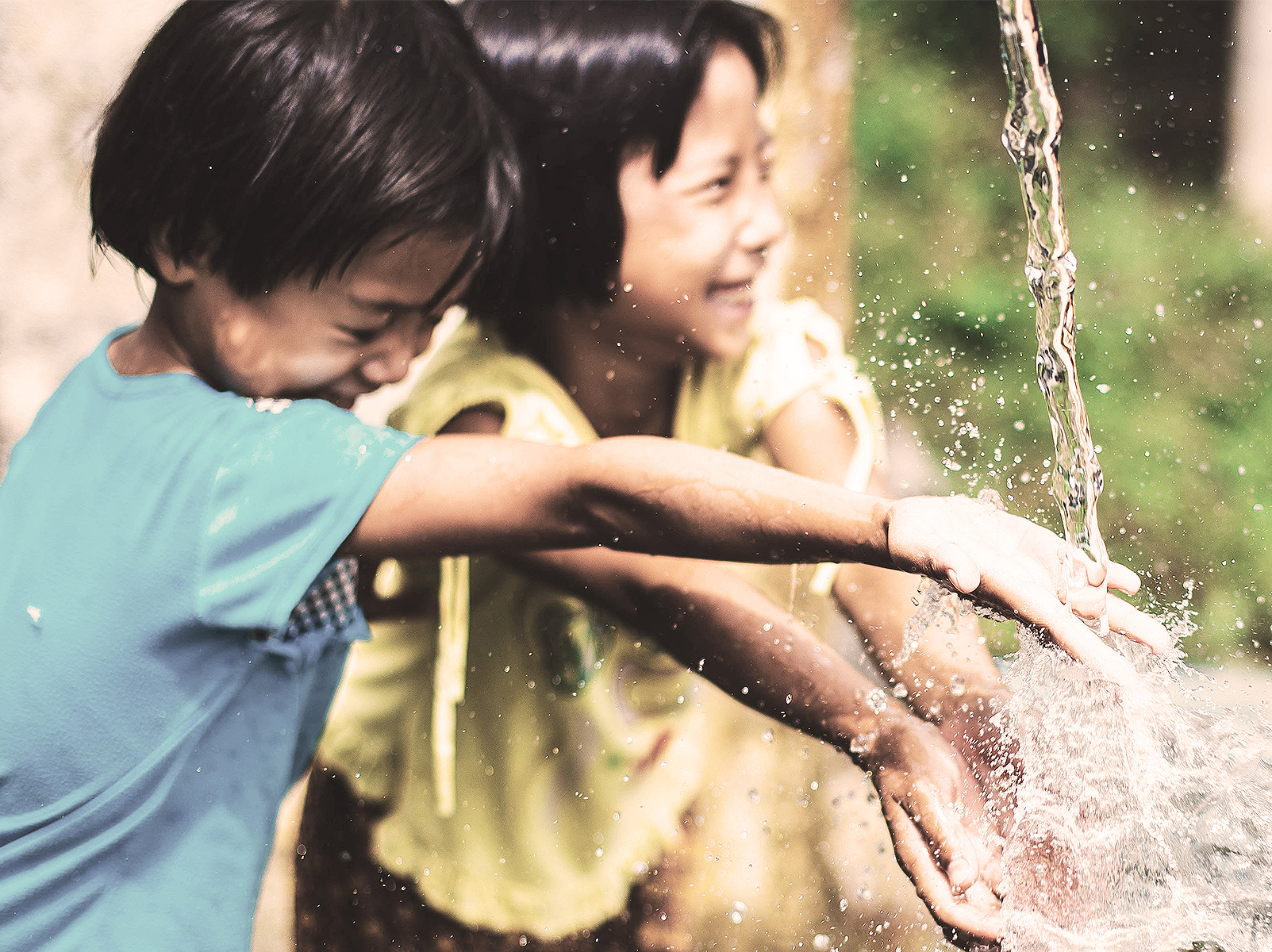
In many rural communities, fetching water is not just a daily task — it's a daily risk. Millions of girls around the world walk for hours every day to collect water for their families. They walk alone, often through unsafe or isolated areas, exposing themselves to harassment, physical harm, or even sexual violence. And the cost isn't just physical safety — it's education, health, and childhood itself.
The Daily Walk That Costs Too Much
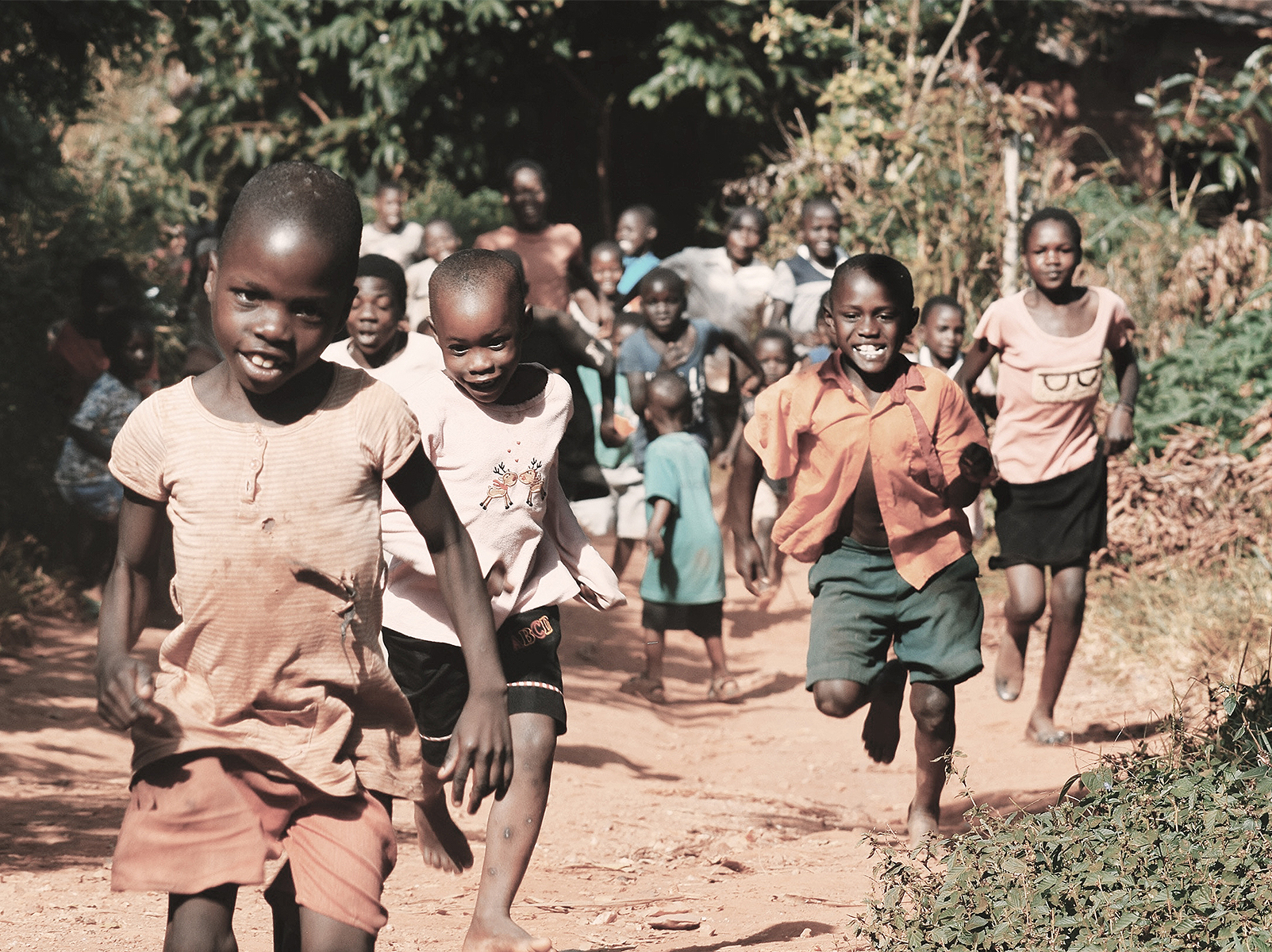
According to the United Nations, women and girls spend an estimated 200 million hours each day collecting water globally. In sub-Saharan Africa, girls and women walk an average of 6 kilometers (3.7 miles) daily to fetch water — often carrying 20 liters or more on the return trip.
Risks Along the Way
While walking for water, girls are often exposed to:
Gender-based violence and sexual assault, especially in isolated areas or at water points with no supervision.
Fatigue and musculoskeletal strain, especially for younger girls carrying heavy containers.
Missed school hours, limiting their opportunities and reinforcing cycles of poverty and inequality.
Poor menstrual hygiene due to lack of clean water, causing many girls to miss school several days a month.
A World Bank report noted that in areas with poor water access, girls are twice as likely as boys to drop out of schoolby the age of 14.
OPUS®One: A Safer, Smarter Alternative
OPUS®One eliminates the need for these risky daily walks by placing off-grid, self-powered purification units directly in the community — at schools, clinics, or shared public spaces.
No electricity needed — perfect for rural villages.
144,000 liters of clean water per filter — enough to serve 100 people with 3 liters per day for a year.
Easy, safe access — installed at the point of need, reducing time and distance.
"No girl should risk her safety for a glass of water. With OPUS®One, she doesn't have to."
Changing the Future for Girls
By providing safe, local access to clean water:
Girls stay in school instead of spending hours walking.
They are protected from violence and exploitation.
Families become more resilient, and gender roles begin to shift.
Communities experience real progress on SDG 5 (Gender Equality) and SDG 6 (Clean Water).